
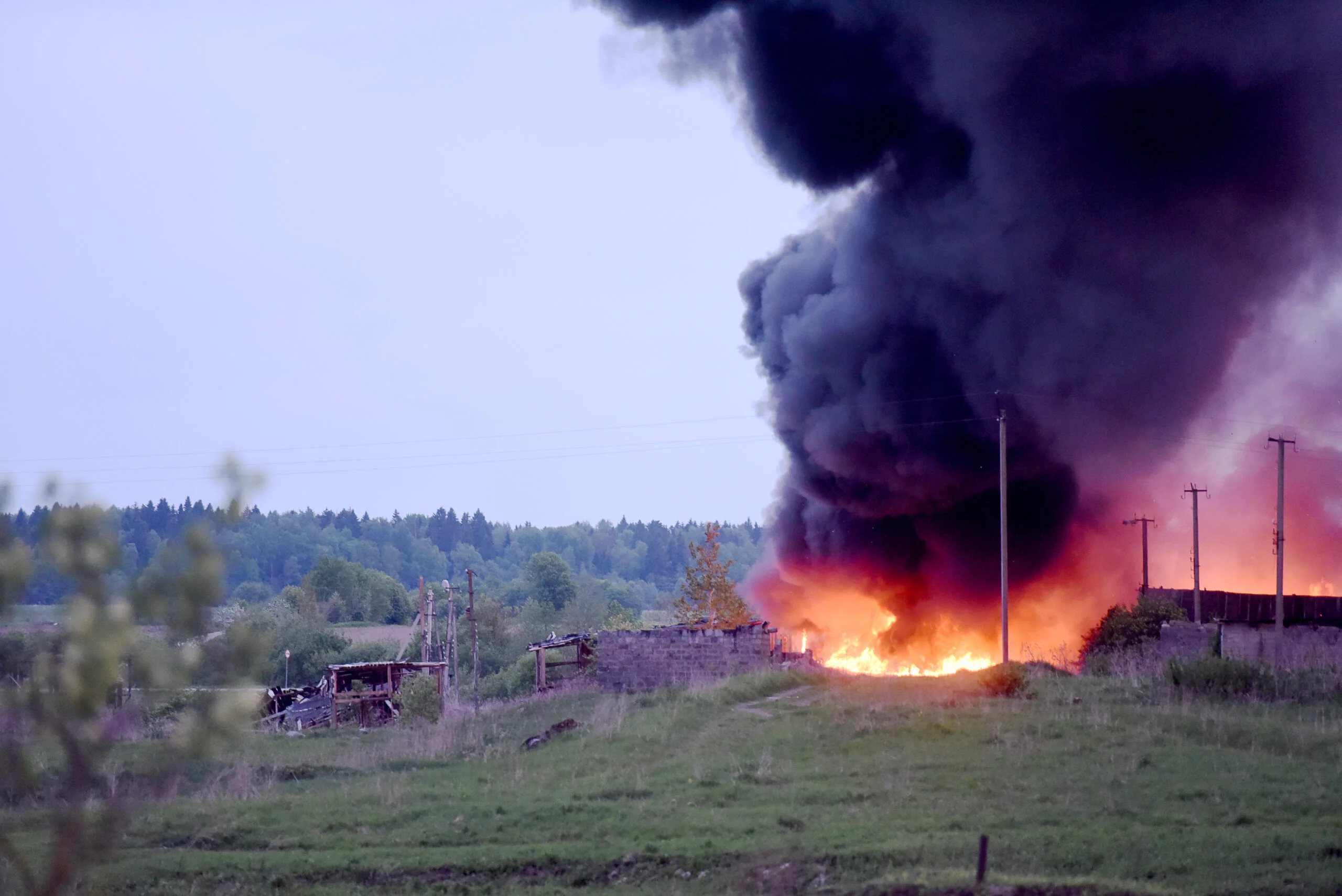
Wildfires can appear unpredictable, especially to someone watching from a distance.
One section may burn slowly while another suddenly becomes more active. Smoke may shift direction. Flames may grow in one area and weaken somewhere else.
These changes are part of wildfire behavior.
Fire responds to the environment around it. Weather, terrain, vegetation, moisture, and other conditions can all influence what happens next.
Understanding those factors is an important part of understanding why wildfire demands so much attention and respect.
Wind Can Change a Fire Quickly
Wind is one of the most noticeable influences on wildfire behavior.
A strong wind can push flames toward new fuel and increase the speed at which a fire spreads. It can also carry embers beyond the main fire, allowing new areas to ignite.
Changing wind direction creates another challenge.
A portion of the fire that seemed less threatening can become more active if the wind shifts.
Firefighters therefore pay close attention to weather information and what is happening around them.
A clear sky or calm morning does not guarantee that conditions will remain the same throughout the day.
Terrain Shapes the Way Fire Moves
Wildfires do not move across perfectly flat ground.
They burn through hills, valleys, canyons, ridges, forests, grasslands, and developed areas.
Terrain can affect both how fire spreads and how firefighters can respond.
For example, slopes can influence the relationship between flames and unburned vegetation. Rugged ground may also make access difficult for people and equipment.
A route that looks short on a map may involve steep climbs, narrow roads, or obstacles.
Terrain matters because wildfire behavior is connected to the land itself.
Understanding that landscape can help teams anticipate how conditions might develop.
Vegetation Provides Fuel
Fire needs something to burn.
Grass, brush, trees, fallen branches, leaves, and other vegetation can all act as fuel.
The type, amount, arrangement, and dryness of that vegetation influence wildfire behavior.
Fine grasses can respond differently from heavy forest fuels. Dead and dry vegetation may burn differently from plants containing more moisture.
Conditions also change throughout the year.
Vegetation that held moisture earlier in the season may become much drier after weeks of heat and little rainfall.
This is one reason wildfire conditions can become more serious during certain times of the year.
Heat and Humidity Also Matter
Temperature and humidity can affect how dry fuels become.
Hot, dry conditions often remove moisture from vegetation, making some fuels more receptive to burning.
Humidity can also change throughout the day.
That means a fire may behave differently in the morning than it does later in the afternoon.
Wildfire behavior is rarely controlled by one factor.
Wind may combine with dry vegetation, high temperatures, and difficult terrain to create conditions that demand additional attention.
Firefighters look at the full picture rather than focusing on only one element.
Smoke Can Tell a Story
Smoke is one of the most visible signs of wildfire activity.
Its direction, volume, and appearance can sometimes provide clues about what is happening.
A growing column may indicate increasing activity. Smoke leaning strongly in one direction can reveal the influence of wind.
However, smoke should never be treated as a complete explanation of fire conditions.
People outside the response may see smoke and assume the fire is moving directly toward them or away from them when the actual situation is more complicated.
Official information remains important because trained personnel have access to additional observations, weather forecasts, mapping, and field reports.
Fire Can Create New Problems Beyond the Main Flames
The main edge of a wildfire is not always the only concern.
Wind can carry burning material away from active fire.
Those embers may land in dry vegetation or around structures and create additional ignitions.
This is one reason homes and communities can sometimes be threatened even when they are not directly beside the most visible flames.
It also explains why firefighters and residents must think beyond what they can immediately see.
Wildfire behavior includes the possibility that fire activity can develop in unexpected places.
Conditions Can Change During a Single Day
Someone watching a wildfire in the morning may see relatively light activity.
Hours later, the situation can look completely different.
Weather changes throughout the day, fuels can become drier, and winds may strengthen.
Those changes can influence fire intensity and movement.
This daily rhythm is one reason wildfire operations depend heavily on continuous observation.
A plan based on yesterday’s conditions may not be appropriate today.
Even a plan created in the morning may require adjustment later.
Wildfire response is built around the understanding that the environment keeps changing.
Why Firefighters Avoid Becoming Complacent
Experience teaches firefighters to respect what fire can do.
That does not mean assuming the worst will always happen.
It means recognizing that conditions deserve constant attention.
Wildfire behavior can become more complicated when several factors combine. Strong winds, steep terrain, dry vegetation, and extreme heat can create very different challenges from a cool, calm day with higher moisture levels.
Remaining alert helps crews recognize changes early.
That awareness is part of the discipline required for wildfire work.
Realistic Fire Behavior Strengthens Storytelling
Wildfire behavior is also important in fiction.
When fire is treated as a random force that changes only when the plot requires it, knowledgeable readers may notice.
A more realistic portrayal can make the story more powerful.
Wind shifts, terrain, smoke, changing weather, and the uncertainty surrounding fire movement can create tension naturally.
Julie Molzahn’s connection to wildland fire gives her stories access to that kind of practical understanding.
Reality already contains plenty of drama.
It does not need to be exaggerated.
Understanding Fire Means Understanding Change
Wildfires are influenced by a combination of weather, fuel, terrain, and time.
None of those factors exist alone.
Together, they create the changing conditions that firefighters must continually evaluate.
Learning about wildfire behavior does not make fire completely predictable.
Instead, it helps explain why trained responders treat conditions seriously and why plans must remain flexible.
Fire moves through a living landscape under changing weather.
Understanding that relationship offers a clearer picture of both the challenge and the skill involved in responding to wildfire.
Step into the world of Annie and Cole with Running Through the Fire: Annie’s Story of Fire, Family and Love by Julie Molzahn. Discover a powerful story of wildfire, wildland firefighting, courage, family, resilience, and love.