
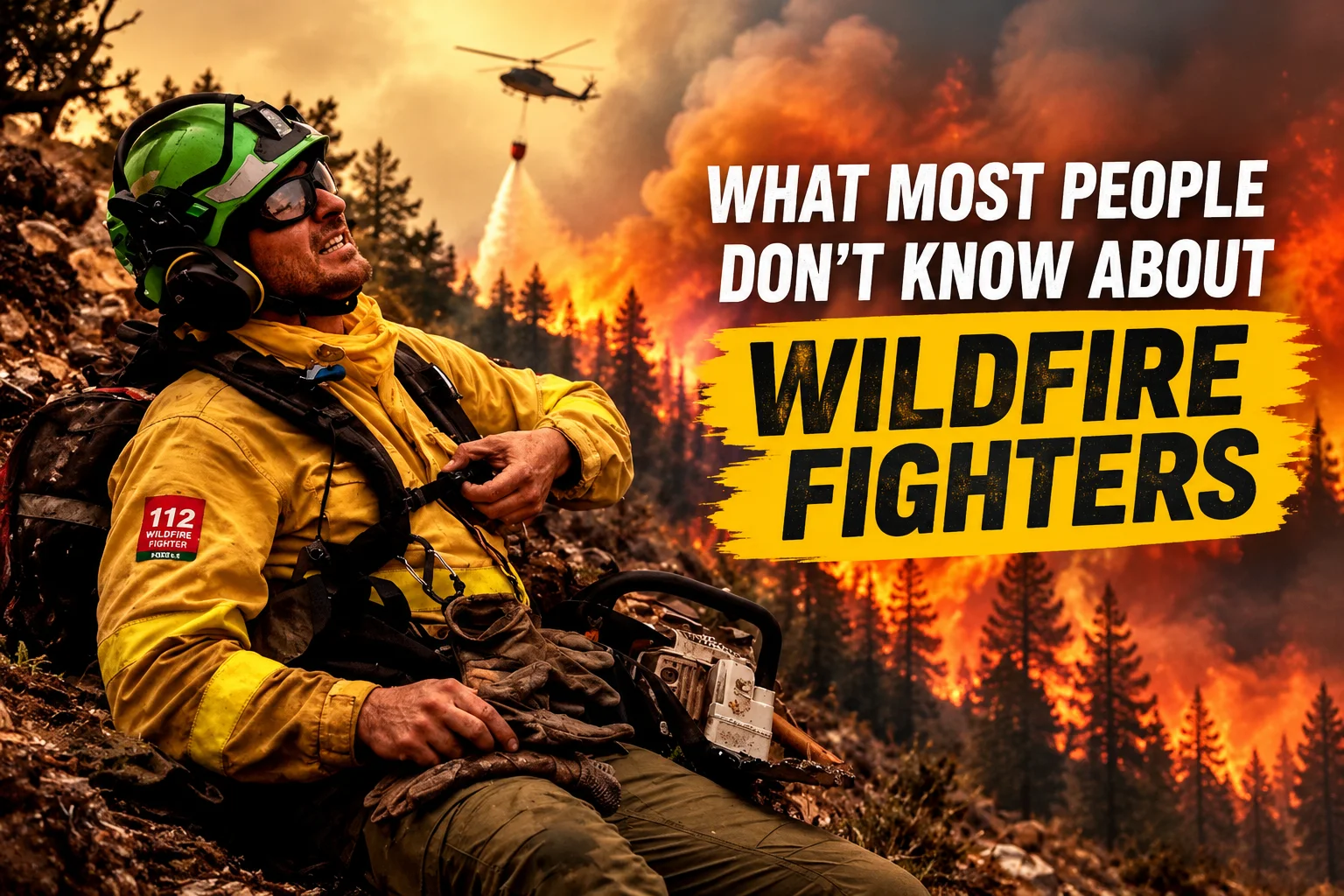
Wildfires are among the most destructive natural disasters, capable of consuming thousands of acres of land, destroying homes, and displacing entire communities within hours. When people see news coverage of raging flames, they often notice the brave individuals battling the fire but what they don’t fully understand is the depth of sacrifice, skill, and resilience required to do this job. Wildfire fighters are not just heroes in uniform; they are highly trained professionals who operate under extreme conditions that most people could never imagine.
This article explores what most people don’t know about wildfire fighters, shedding light on their daily challenges, mental strength, and the realities behind the fireline.
The Work Is Far More Dangerous Than It Looks
One of the biggest misconceptions about wildfire fighters is that their job is simply to spray water on flames. In reality, wildfire fighting is far more complex and dangerous. These professionals work in unpredictable environments where the fire can change direction in seconds due to shifting winds, dry vegetation, or terrain.
Wildfire fighters often hike for miles carrying heavy gear, sometimes weighing over 40 pounds, while navigating steep hills, rocky paths, and dense forests. They are constantly exposed to intense heat, thick smoke, and falling debris. Even a small mistake can lead to life-threatening situations.
Unlike structural firefighters who respond to controlled environments like buildings, wildfire fighters operate in open, uncontrolled landscapes where there are no guaranteed safety zones.
Long Hours and Physical Exhaustion Are the Norm
Wildfire fighters don’t work typical 9-to-5 jobs. During peak wildfire season, they can work shifts that last 12 to 24 hours, often for several days or even weeks without proper rest.
Sleep is limited, meals are basic, and conditions are rough. Many firefighters sleep on the ground, in tents, or wherever they can find space. Physical exhaustion becomes a constant companion, yet they must remain alert at all times.
The job requires incredible endurance, both physically and mentally. It’s not just about strength—it’s about sustaining that strength under extreme pressure.
Mental and Emotional Challenges Are Often Overlooked
While the physical demands are obvious, the emotional toll of wildfire fighting is something most people don’t consider. Firefighters witness destruction on a massive scale—homes burned to the ground, wildlife lost, and families displaced.
They also face the constant risk of injury or death, not only for themselves but for their team members. This creates a high-stress environment that can lead to anxiety, burnout, and emotional fatigue.
Despite this, wildfire fighters must stay focused and make quick decisions that could save lives. Their mental resilience is just as important as their physical strength.
Teamwork Is Critical for Survival
Wildfire fighting is never a solo effort. It requires strong teamwork and communication. Every firefighter depends on their crew for safety, coordination, and support.
Crews often form deep bonds because they rely on each other in life-threatening situations. Trust is essential—each member must believe that others will do their part to keep the team safe.
This sense of brotherhood and unity is one of the most powerful aspects of the profession, but it also comes with emotional weight, especially when something goes wrong.
They Use More Than Just Water to Fight Fires
Another common misunderstanding is that water is the primary tool used to fight wildfires. In reality, wildfire fighters use a variety of techniques, including:
- Creating firebreaks by clearing vegetation
- Using controlled burns to remove fuel
- Digging trenches to stop fire spread
- Using specialized tools like Pulaskis and chainsaws
Helicopters and air tankers may drop water or fire retardant, but on the ground, much of the work is manual and physically demanding.
Wildfire fighting is as much about strategy as it is about strength.
Weather Plays a Huge Role
Wildfire fighters must constantly monitor weather conditions. Wind speed, temperature, and humidity can all affect how a fire behaves.
A sudden change in wind direction can turn a manageable fire into a deadly situation within minutes. This unpredictability makes wildfire fighting one of the most dangerous professions in the world.
Firefighters often rely on real-time data and experience to make critical decisions quickly.
Training Is Intense and Ongoing
Becoming a wildfire fighter requires rigorous training. It’s not just about physical fitness; it involves learning fire behavior, survival techniques, equipment handling, and emergency response strategies.
Even experienced firefighters continue to train regularly to stay prepared for evolving challenges. The job demands constant learning and adaptation.
They Spend Long Periods Away from Family
Wildfire fighters often spend weeks or even months away from home during fire season. This separation can be difficult, especially for those with families.
They miss important events, holidays, and everyday moments. The emotional strain of being away from loved ones adds another layer of difficulty to an already demanding job.
Wildfire Fighters Are Not Always Recognized Enough
Despite their critical role, wildfire fighters don’t always receive the recognition they deserve. Many work seasonal jobs with limited benefits, and their efforts often go unnoticed once the fire is contained.
However, their impact is immense. They protect lives, homes, forests, and entire communities.
Their Work Saves More Than Just Property
Wildfire fighters don’t just save buildings they save ecosystems. Forests, wildlife habitats, and natural landscapes all depend on their efforts.
By controlling wildfires, they help preserve biodiversity and protect the environment for future generations.
Final Thoughts
Wildfire fighters are among the most dedicated and resilient professionals in the world. Their work goes far beyond what most people see on the surface. From extreme physical challenges to emotional strain, their role requires courage, discipline, and unwavering commitment.
The next time you hear about a wildfire, take a moment to think about the people on the front lines. Behind every controlled fire is a team of individuals who risk their lives to protect others.
Understanding what wildfire fighters truly go through not only builds respect but also highlights the importance of supporting them and the communities they serve.