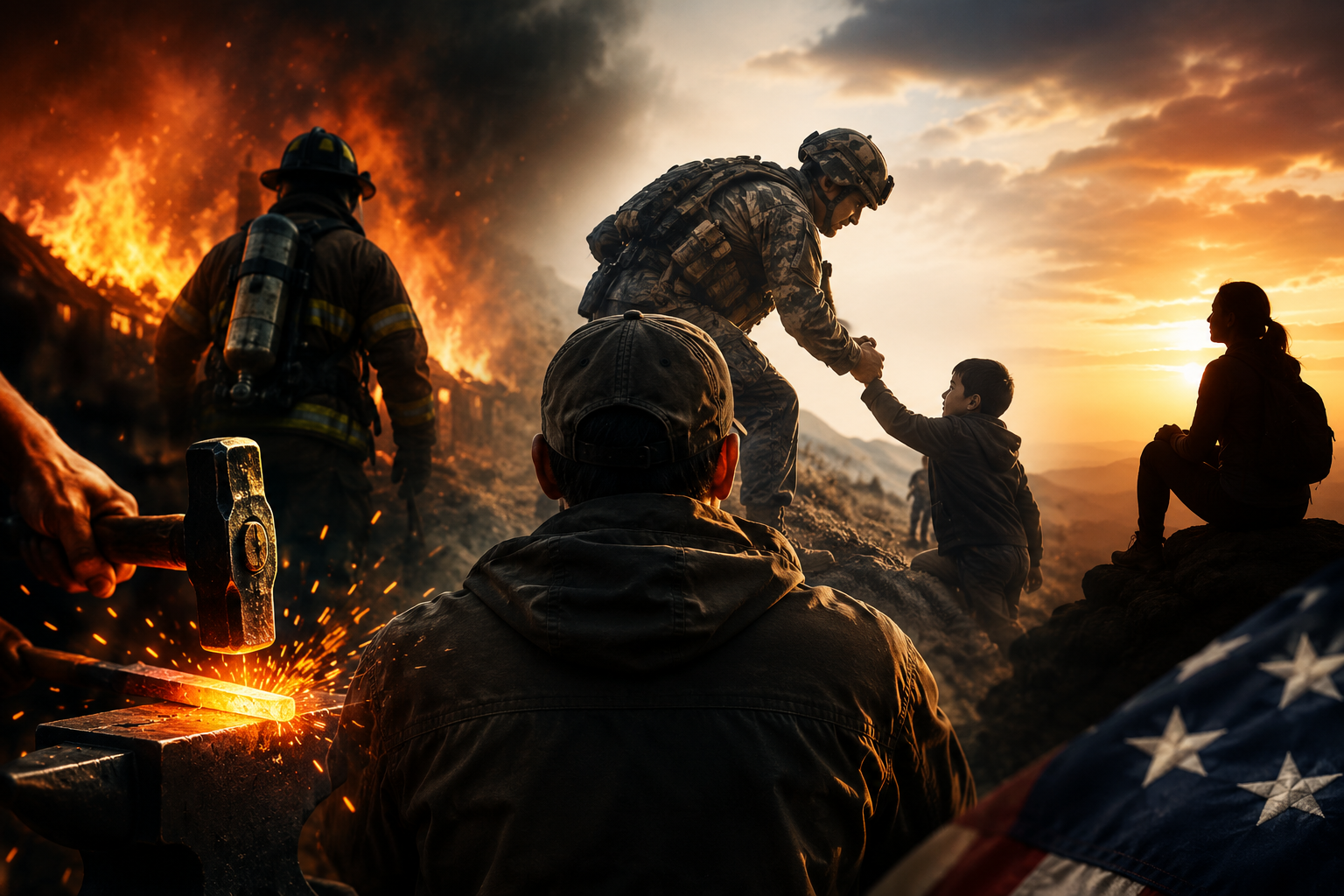
Some stories are imagined from a distance. Others are born from lived experience, from years spent close to danger, duty, loss, courage, and the quiet strength of people who keep going when everything around them is burning. Julie Molzahn’s storytelling belongs to that second kind.
Her work carries the weight of real knowledge and the heart of someone who understands the world she writes about. In Running through the Fire, Julie brings readers into a story shaped by wildfire, sacrifice, family bonds, survival, and the fierce courage of those who stand between disaster and the people they are sworn to protect.
This is not just a story about flames. It is a story about what fire reveals.
A Voice Shaped by the Forest
Julie Molzahn writes with a deep connection to the land and the people who serve it. Her background gives her fiction an authenticity that cannot be forced. After decades of service with the U.S. Forest Service, she understands the physical, emotional, and human cost of wildfire response.
That experience matters. Readers can feel when a story is written with respect for its subject. In Julie’s work, the forest is not just scenery. It is alive. It is beautiful, unpredictable, dangerous, and deeply worth protecting. The fireline is not used only for drama. It becomes a place where leadership, fear, loyalty, and sacrifice are tested in real time.
This kind of storytelling gives readers more than a plot. It gives them an inside look at a world many people only see through headlines.
The Human Side of Wildfire
Wildfires are often described by numbers: acres burned, homes lost, crews deployed, evacuation zones marked on a map. But behind every statistic is a family, a firefighter, a leader, a neighbor, and a community forced to make impossible choices.
Running through the Fire brings that human side forward. The story follows Annie and Cole, two people connected by a childhood promise and later reunited in the path of a devastating wildfire. Their bond is tested not only by time, but by danger, grief, duty, and the reality of a world that can change in minutes.
At the heart of the novel is the question of what survives when everything familiar is threatened. Is love strong enough to endure distance and disaster? Can family ties hold under pressure? Can courage rise when fear feels stronger than hope?
These questions make the story emotionally powerful. The fire creates urgency, but the relationships give the novel its soul.
Why Authentic Stories Matter
Readers are drawn to books that feel true, even when they are fictional. Authenticity allows a story to breathe. It creates trust between the writer and the reader. Julie Molzahn’s work stands out because it is shaped by real service, real understanding, and a sincere respect for the wildland fire community.
Her writing honors the people who respond when others are running away. It recognizes the exhaustion, quick decisions, danger, coordination, and emotional toll behind wildfire response. It also shows the quieter moments that often go unseen: the worry of families, the weight of leadership, the pain of loss, and the hope that keeps people moving forward.
That balance is important. A wildfire novel can easily become only an action story. Julie gives readers action, but she also gives them heart. She shows the courage on the fireline and the emotional fires people carry inside themselves.
A Story of Resilience and Hope
Fire destroys, but it can also reveal strength. In nature, some landscapes begin again after fire. In life, people also find ways to rebuild after loss, heartbreak, and fear. That theme of resilience gives Running through the Fire its deeper meaning.
Annie’s role on the front lines speaks to leadership and bravery. Cole’s return brings memory, connection, and the unresolved pull of the past. Their story becomes a reminder that survival is not only about escaping danger. Sometimes, survival means facing what has been buried. Sometimes, it means choosing love, forgiveness, and hope even when the future feels uncertain.
This is where Julie’s storytelling becomes especially moving. She writes about fire, but she also writes about the bonds that help people endure it. Family, service, love, and purpose all become forces of survival.
Honoring Those Who Stand in the Gap
One of the most meaningful parts of Julie Molzahn’s author journey is her commitment to honoring wildland firefighters and their families. Her stories reflect a deep respect for those who step into dangerous conditions to protect lives, homes, communities, and forests.
That respect gives her work a strong emotional foundation. Running through the Fire does not treat wildfire as entertainment alone. It recognizes the sacrifice behind the work. It reminds readers that courage often comes with cost, and that the people who serve on the front lines deserve to be seen as whole human beings.
They are not just uniforms. They are parents, partners, friends, leaders, and neighbors. They carry fear, hope, responsibility, and love. Julie’s fiction gives space to that truth.
An Invitation to Readers
For readers who enjoy emotional contemporary fiction, stories of survival, family drama, second chances, and high-stakes settings, Running through the Fire offers a powerful reading experience. It brings together intensity and tenderness, danger and devotion, action and reflection.
Julie Molzahn writes from the heart of the forest, but her themes reach far beyond the fireline. Her work speaks to anyone who has faced loss, protected someone they love, carried responsibility, or tried to find hope in the middle of uncertainty.
In the end, Running through the Fire is a reminder that some bonds are tested by time, some by grief, and some by fire. The strongest ones do not always remain untouched. They survive because people choose to hold on, rebuild, and keep moving forward.
Julie Molzahn’s storytelling honors that strength. It brings readers close to the heat, the smoke, the heartbreak, and the hope. Most of all, it reminds us that when the world burns, the human spirit can still rise.